Bug catching and watching island nature up close
Bugs bring the island to life, from butterflies over flower beds to beetles on tree trunks. Here is how to find them, catch them and enjoy observing them.
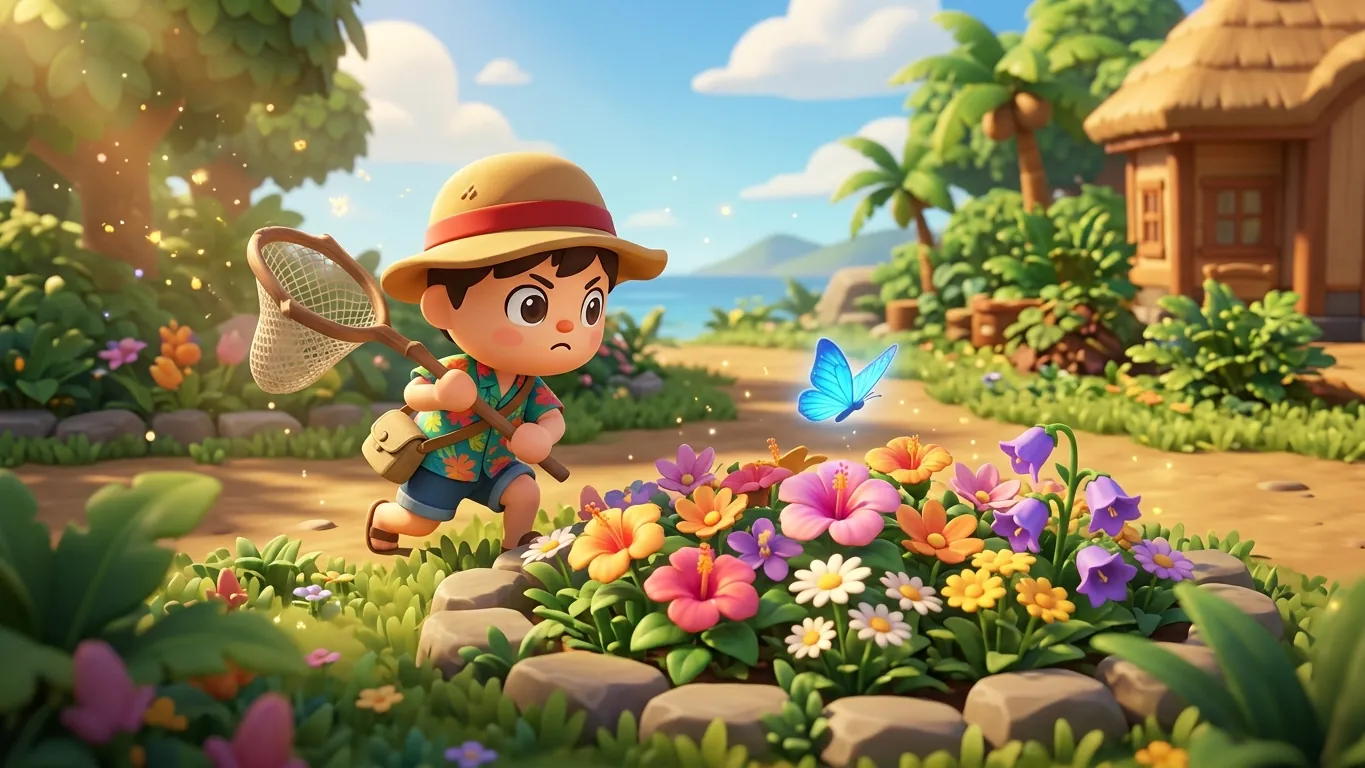
Your net and a careful approach
Bug catching is the land-based partner to fishing. Early in your island life you can craft a flimsy net from a simple recipe, and like the rod, it can be upgraded later. With a net in hand, the island suddenly reveals a busy world of insects you might not have noticed before.
The key to catching bugs is a careful approach. Many insects fly or scurry away if you run up to them. Hold the button to ready your net and your character will creep forward slowly. Approach from a comfortable distance, line up your swing and release when you are close enough.
It takes a little practice, but after a few attempts the slow creep becomes second nature. It also encourages you to move more mindfully, which makes bug catching a calm way to explore.
Where island bugs like to hide
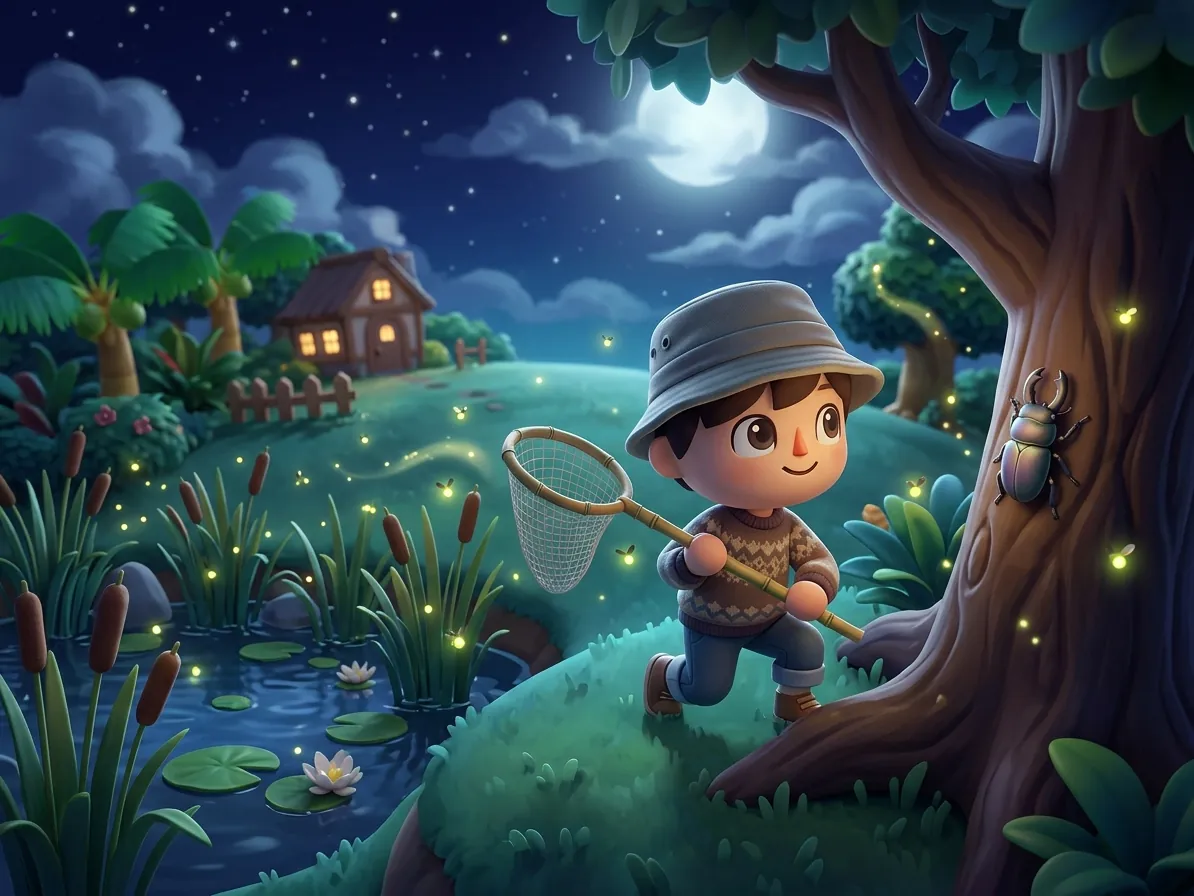
Bugs live in many different places, and part of the fun is learning where to look. Butterflies and other flying insects often gather around flowers, so a colourful garden can attract plenty of visitors. Some insects rest on tree trunks, others on rocks or on the ground, and several appear near rivers, ponds and the beach.
Shaking trees can sometimes drop a bug, and striking rocks can occasionally disturb a creature hiding nearby. Some insects only appear on particular trees, such as palms near the shore or hardwood trees inland.
If you are hunting a particular bug, think about its habitat as carefully as you would for a fish. A beach insect will not appear on a flower bed, and a tree-dwelling beetle will not wander out onto the sand.
How seasons change life on land
Bugs are strongly seasonal. Warm months tend to bring the busiest variety, with singing cicadas, beetles and many butterflies, while cooler months are quieter and feature a smaller group of hardy species. On a southern hemisphere island, that means the busy bug season lines up with the Australian summer.
Time of day matters a lot too. Some insects are active during the day, others only appear in the evening or after dark. A night walk with your net can feel completely different from a morning stroll, with glowing and nocturnal species replacing the daytime crowd.
Your encyclopedia shows the months and hours for each bug you have caught, which makes it easy to plan your evenings and weekends around the creatures you enjoy.
Handling stinging and startling surprises
Not every island creature is easy-going. Shaking a tree can occasionally drop a wasp nest, and the wasps will chase you. If your net is ready and you react quickly, you may be able to catch them; if not, you will get stung and your character's face will swell. Medicine, which you can craft or buy, sorts that out.
A few creatures that appear at night can also knock you down if they reach you. When that happens you simply wake up at home, safe and sound, with nothing lost except the moment. Moving slowly and keeping your net ready gives you the best chance of catching them instead.
These surprises are part of the island's personality. With a bit of preparation, they become funny stories rather than frustrations.
Turning nature walks into an island diary
Bug catching is also an invitation to slow down and observe. Try spending a session simply watching: notice which butterflies visit your flowers, which insects sing in the trees and how the island sounds change between morning and night.
You might like to photograph favourite moments with the in-game camera or keep a written diary of first sightings each season. Looking back on those notes months later is a lovely reminder of how much your island has changed.
When you catch something new, take it to the museum and visit its exhibit afterwards. Seeing your bugs in their recreated habitats closes the loop between the wild island and your growing collection.
Related articles
 Diving for sea creatures around your island
Get a wet suit, spot bubbles on the surface, chase quick sea creatures and track their seasons with this calm guide to diving around your island.
Read more
 Why slow collecting makes island life better
An opinion piece on enjoying fishing and museum collecting at a gentle pace, noticing small island moments and keeping your own island diary.
Read more
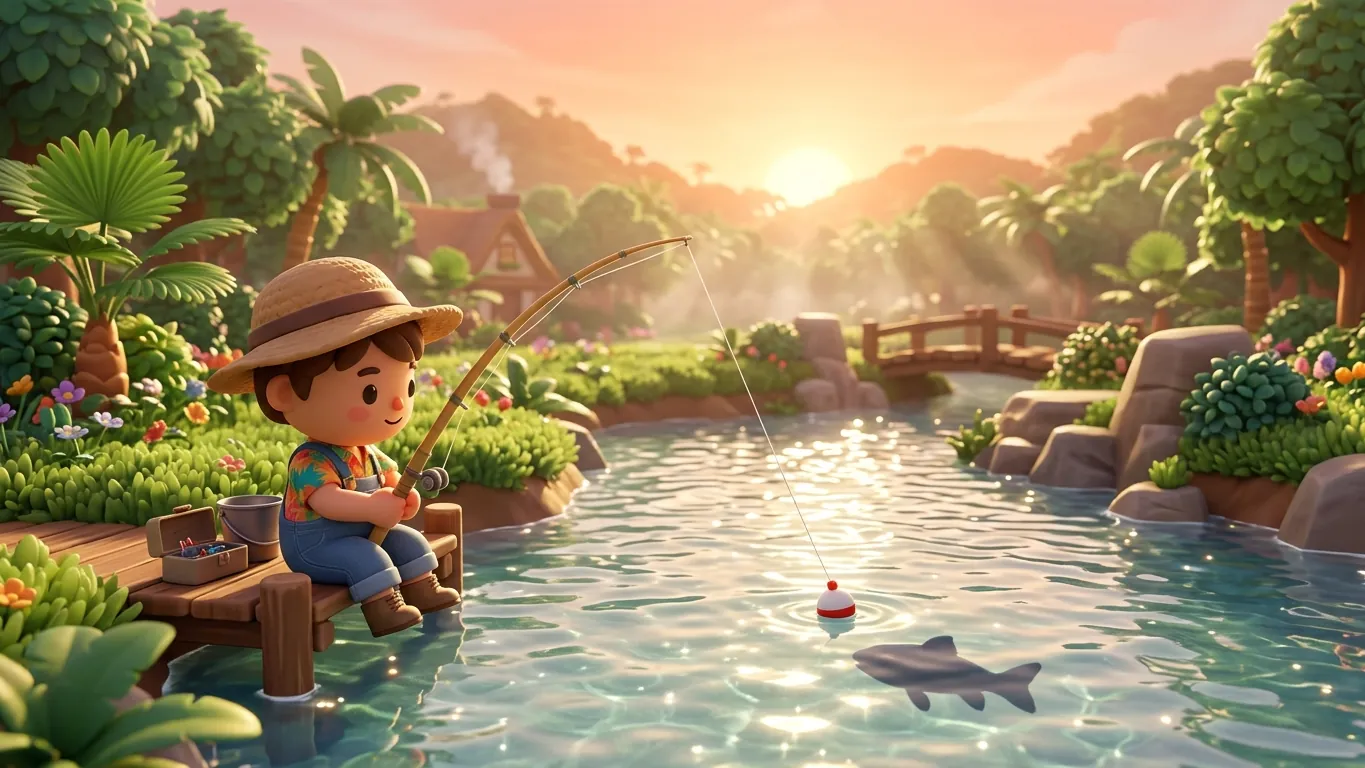 Fishing basics for brand new islanders
New to island fishing? Learn how to craft a rod, cast near a shadow, wait for the real bite and decide what to do with every fish you catch.
Read more