Fishing basics for brand new islanders
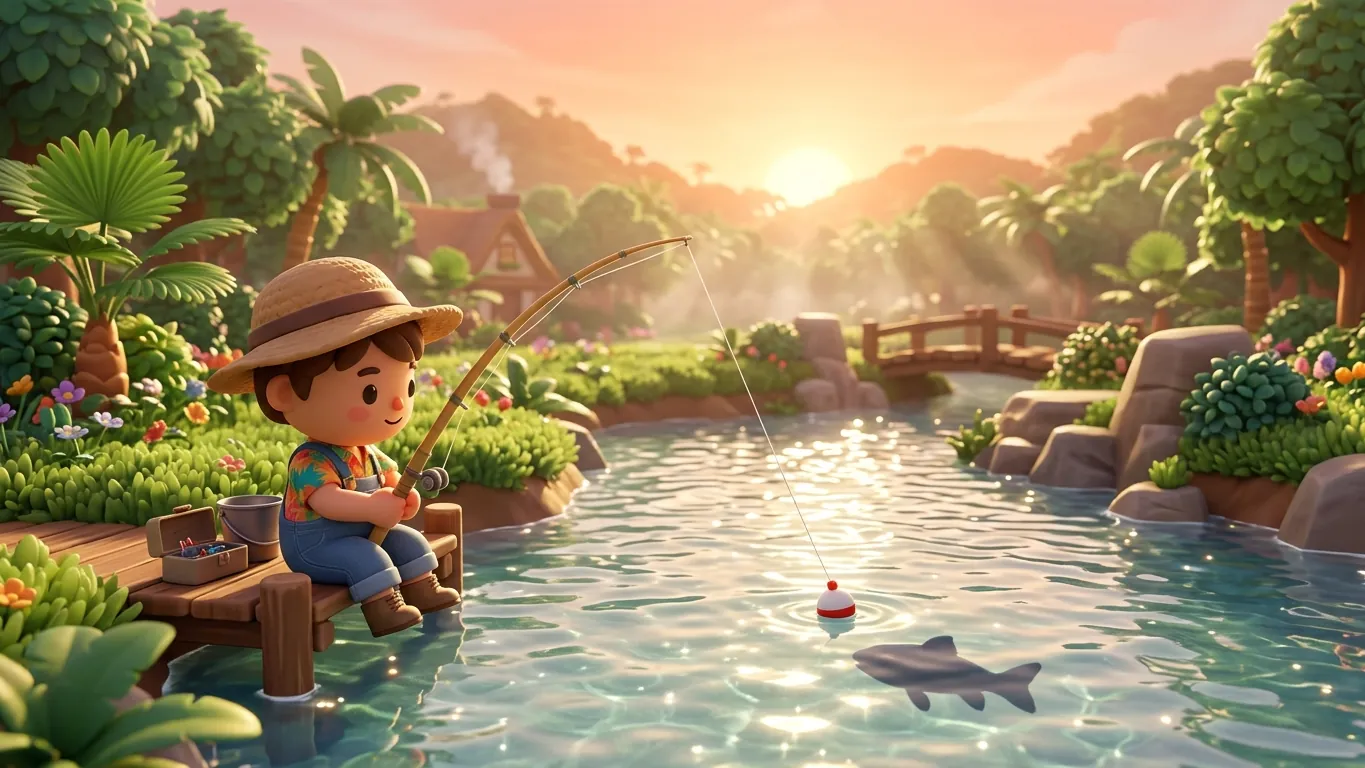
New to island life? This guide walks you through crafting your first rod, making a calm first cast and deciding what to do with every catch.
Crafting your first fishing rod
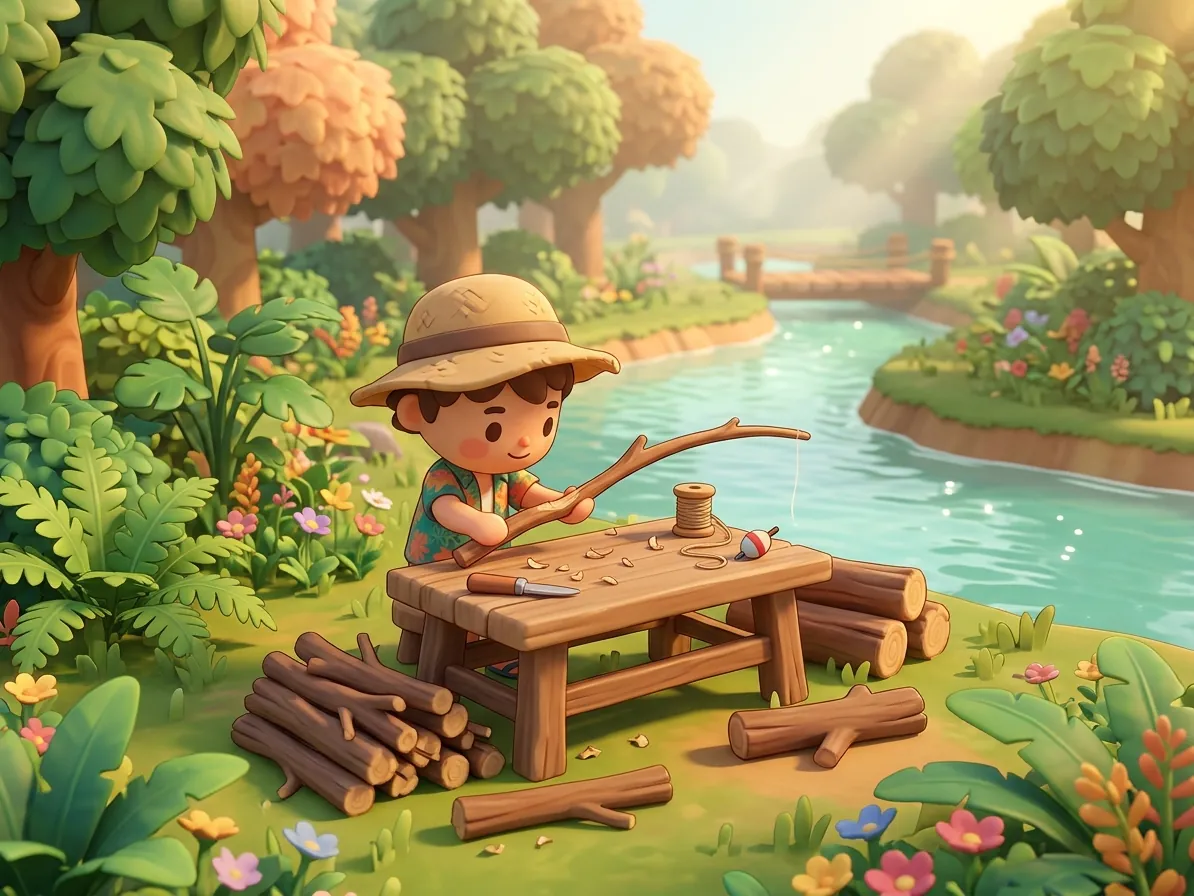
Fishing is one of the first hobbies Animal Crossing: New Horizons hands you, and it stays charming long after the early days. Shortly after you arrive, you learn a simple recipe for a flimsy fishing rod. You craft it from tree branches at a workbench, and branches are easy to collect by shaking young trees or picking them up from the ground.
The flimsy rod will eventually break, which can feel a little sad the first time it happens. Think of it as part of the rhythm of the island. Keep a few spare branches in your pockets so you can craft a replacement whenever you pass a workbench. As you play on, sturdier rod recipes become available, and you can later customise the look of your tools to match your island style.
If you like to be prepared, carry two rods during long fishing walks. That way a broken rod never cuts a pleasant evening by the river short.
Your first cast on the island
These steps cover a relaxed first fishing session. Take them slowly; there is no timer on your enjoyment.
- 01
Find a shadow
Walk along a river, pond or beach and look for a dark fish shape moving under the water. A shadow is your hint that something is there.
- 02
Equip your rod
Open your pockets, select the fishing rod and hold it ready. Setting it as a favourite tool makes switching quicker later.
- 03
Cast just ahead of the fish
Aim so the bobber lands slightly in front of the shadow rather than directly on top. Landing too close can scare some fish away.
- 04
Wait for the real bite
The fish will usually nibble a few times. Stay still until the bobber is pulled fully under with a splash and a stronger sound.
- 05
Reel it in
Press the button as soon as the bobber dips under. If you are too early or too late, the fish swims off and you can try another shadow.
Learning the rhythm of the bobber
The most common beginner mistake is reeling in on a nibble. A nibble is a gentle tap: the bobber wobbles and you hear a small plop. A real bite is unmistakable once you have seen a few. The bobber sinks fully, water splashes and the sound is deeper.
If you play with sound on, listen as much as you watch. Many players find it easier to react to the sound of the bite than to the picture. Some fish nibble once before biting, others tease you several times, so try not to count; just stay patient until the bobber disappears.
Missing a fish is completely normal. Shadows keep appearing, and part of the fun is that every cast feels a little different.
What to do with each catch
When you land a species for the first time, it gets a short introduction and is recorded in your in-game encyclopedia of critters. From there you have a few cheerful options.
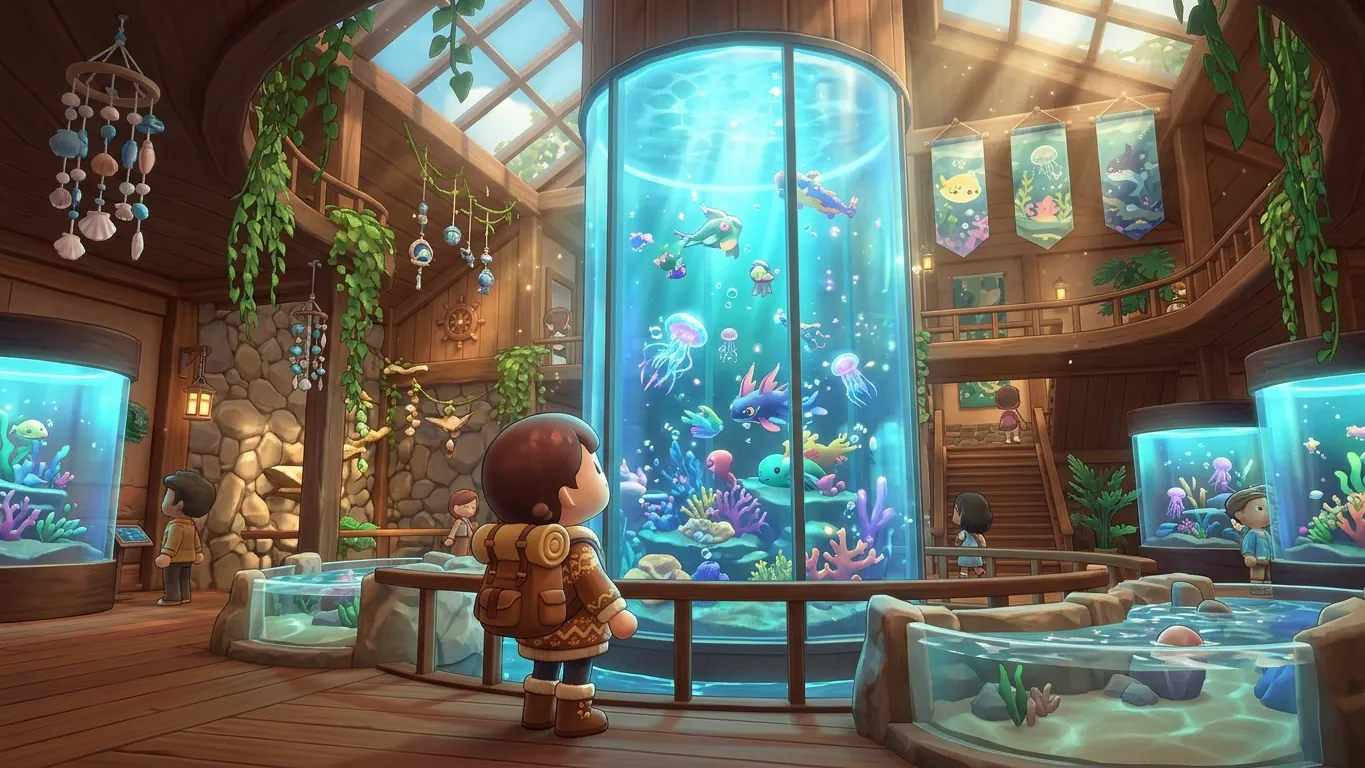
The first is donating it to the museum. The museum starts small, but once it grows into a proper building, each new species you donate becomes part of an aquarium you can wander through. Only one of each species is needed, so donating the first one you catch is a nice habit.
The second is selling it at the island shop to help fund home upgrades and furniture. Common fish rarely fetch much on their own, but they add up across a session. The third is keeping it. Fish can be placed in your home in their own little tanks, and a few favourite catches in the living room can make your house feel like a proper islander's cottage.
Small habits for happier fishing
A few simple habits can make fishing feel more relaxing. Clear some pocket space before heading out so you do not have to stop every few minutes. Pick a river bend you like and decorate it with a stool or a lamp so it becomes your favourite fishing spot.
Try fishing at different times of day, too. Some species only appear in the morning, others in the evening or at night, so the same river can feel like a new place after dark. Rainy days are worth a stroll as well, since the weather can change what turns up.
Most of all, let fishing be a pause rather than a task. The island will still be there tomorrow, and so will the fish.
Related articles
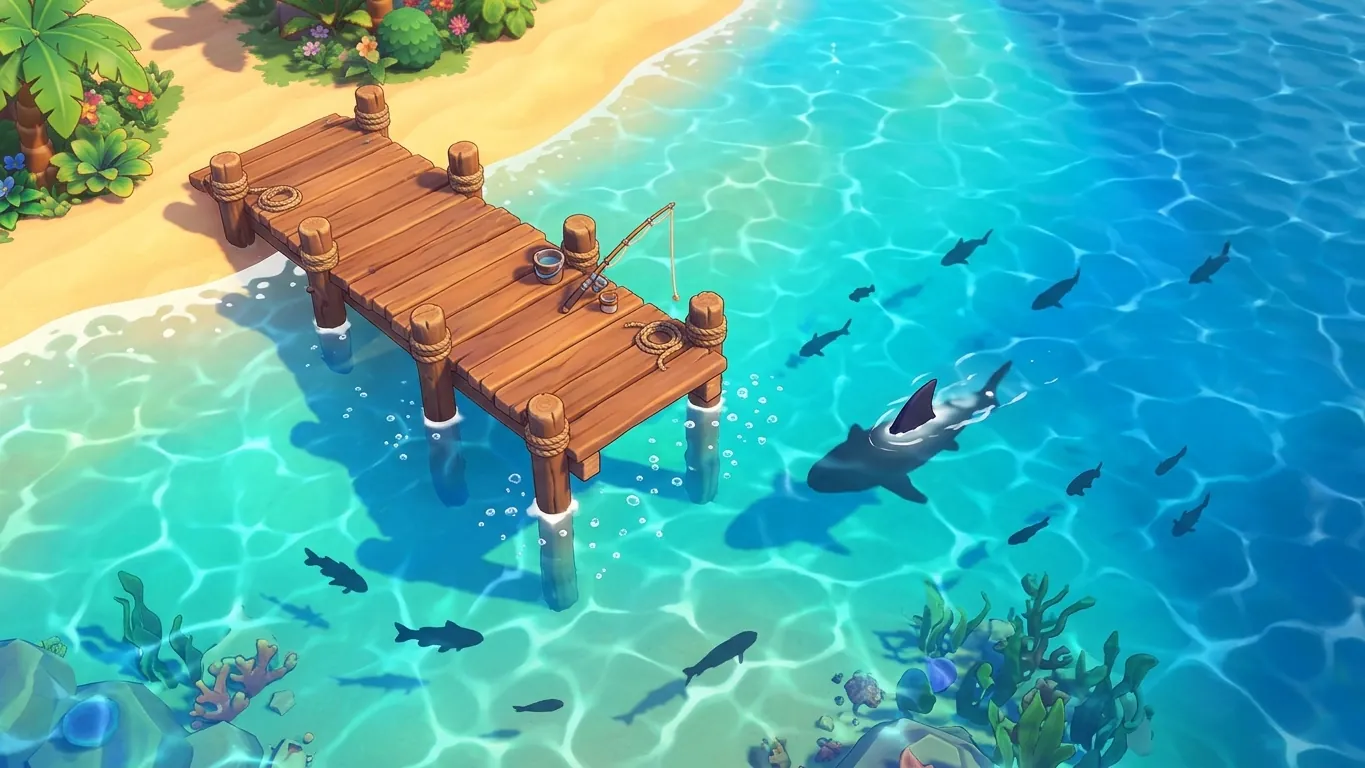 Reading fish shadows and the waters they swim in
Learn what fish shadow sizes, fins and narrow shapes suggest, and how rivers, ponds, clifftops and the sea shape what you can catch on your island.
Read more
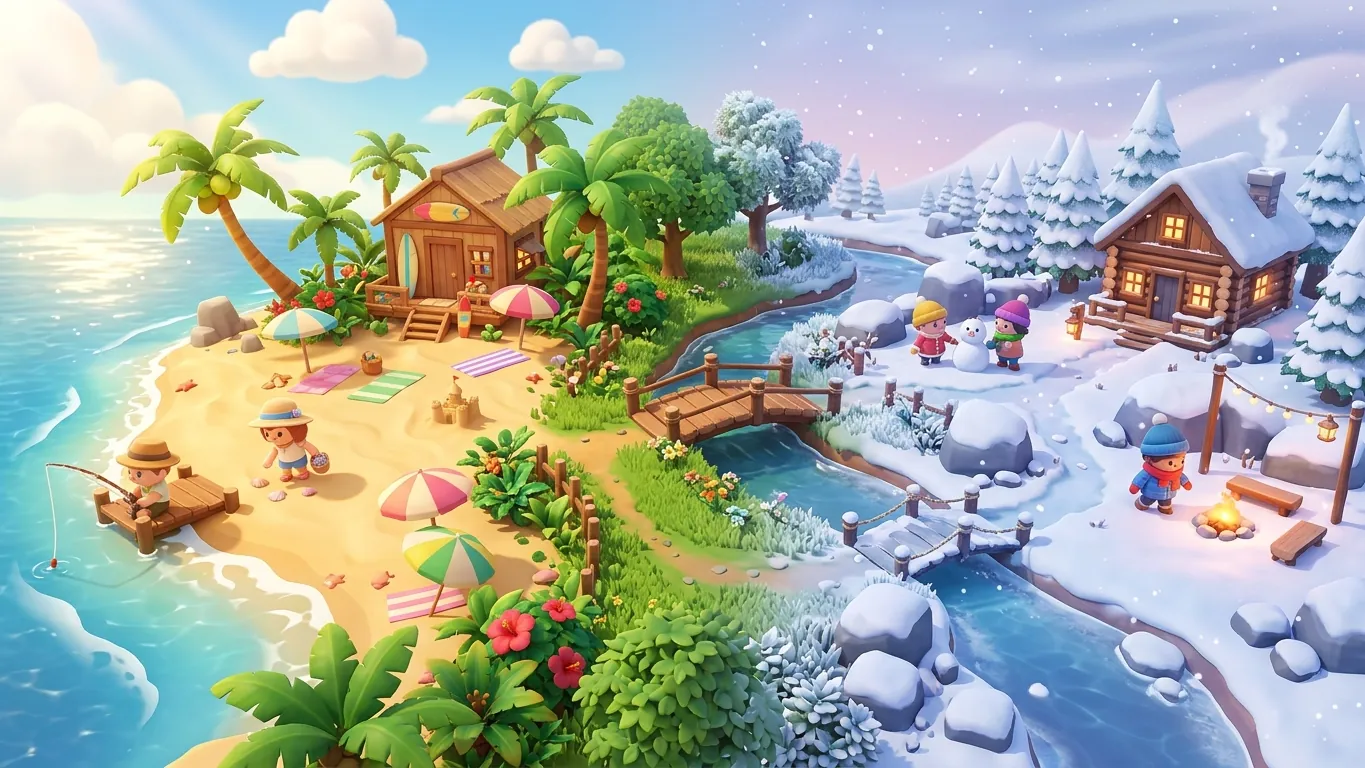 Fishing through the southern hemisphere seasons
How the southern hemisphere setting shapes fish, bug and sea creature seasons on your island, with planning tips for players in Australia.
Read more
 Planning your museum collection at a comfortable pace
Ideas for tracking donations, understanding the five museum collections and enjoying a relaxed path to a fuller museum on your island.
Read more