Bait, patience and the search for elusive fish
Some fish seem to appear only when you are not looking. This guide covers digging for clams, crafting bait and keeping a calm mindset while you wait.
Digging for clams on the beach
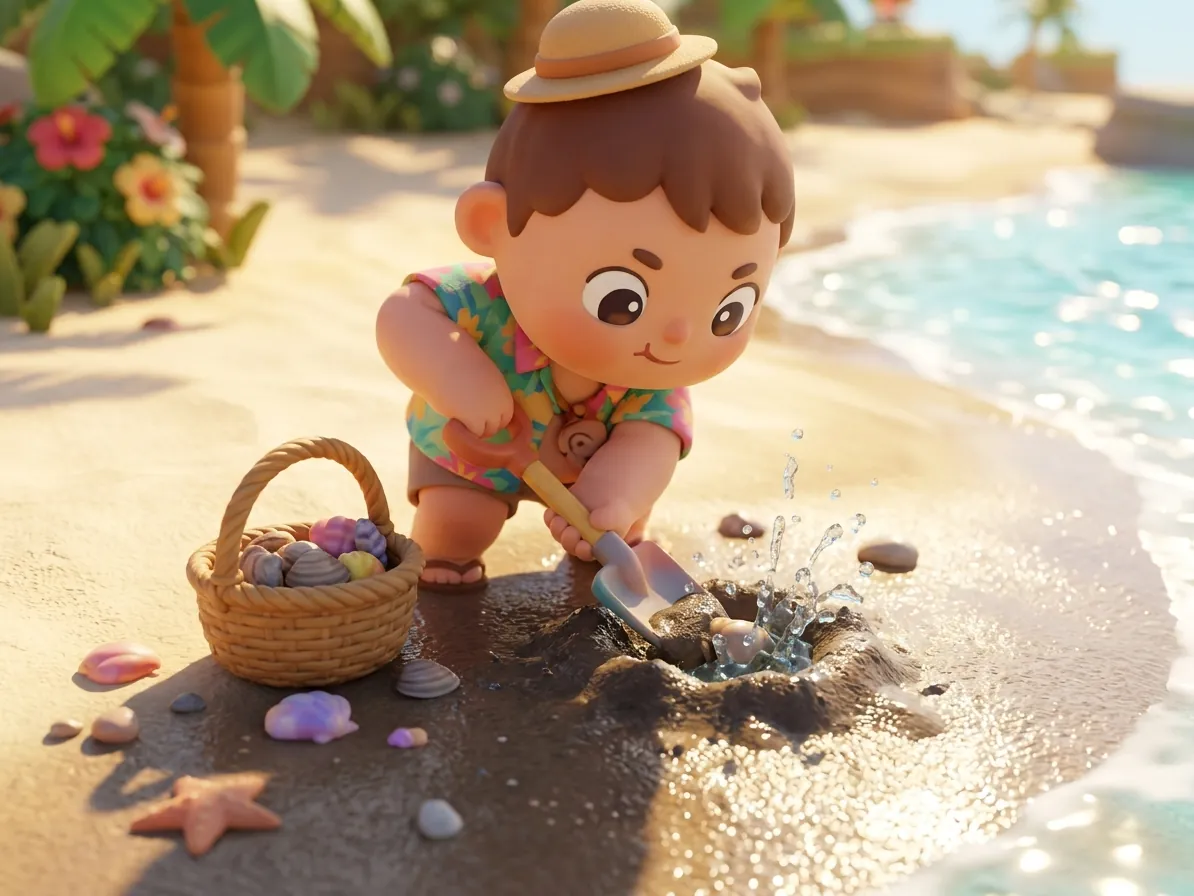
Fish bait is one of the most useful tools for collectors, and it starts with a walk on the beach. Look closely at the sand and you will see small holes that occasionally spurt water. These mark spots where a clam is hidden beneath the surface.
Equip a shovel and dig at the spurting spot to collect the clam. Beach walks after a fishing session are a nice way to gather a few, and they add up quickly if you check your shoreline regularly. It is a quiet, almost meditative task: the sound of the waves, the soft tap of the shovel and the small reward of each find.
If friends visit your island, a shared clam hunt can be a cheerful way to start an afternoon together.
Crafting and using bait
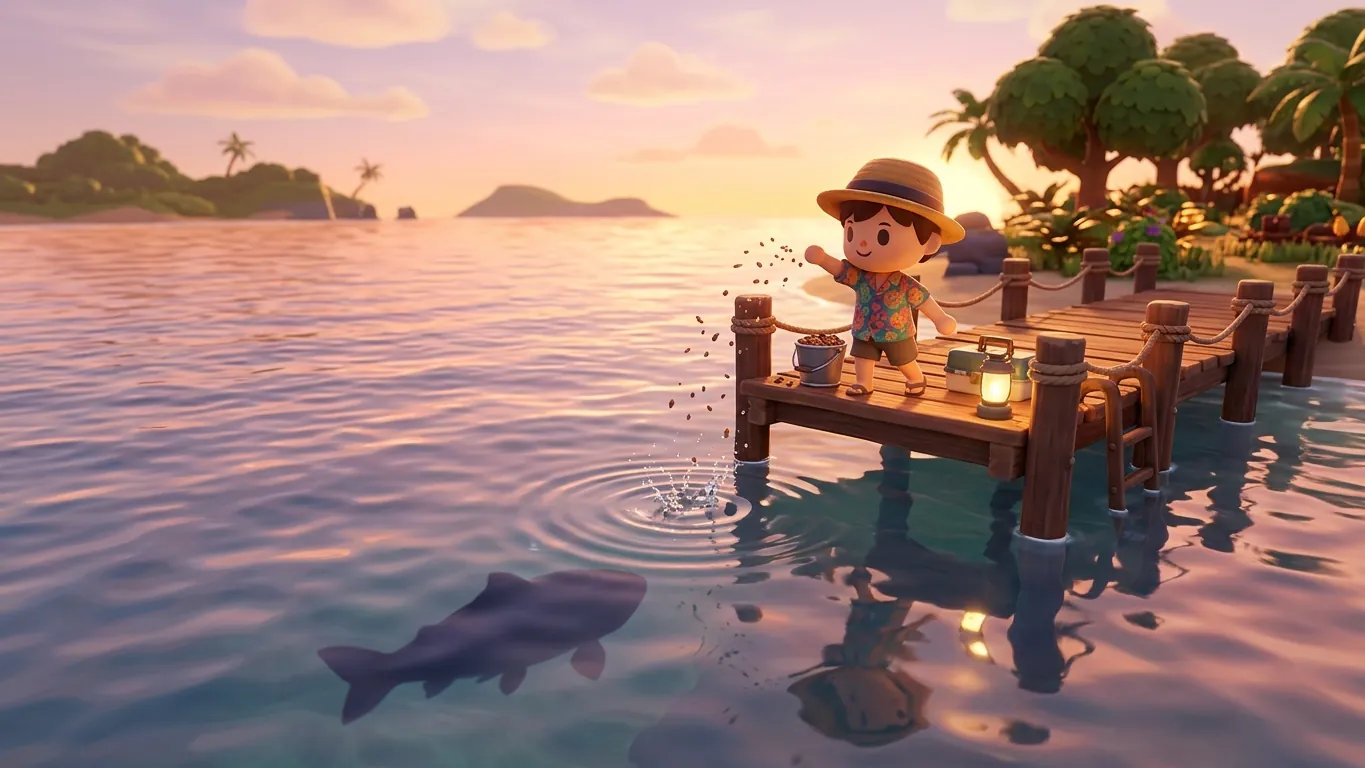
Once you have clams, you can turn them into fish bait at a workbench using a simple recipe. Bait is used from your pockets while you stand at the edge of the water. You scatter it in, and shortly afterwards a fish shadow appears near the spot, ready for you to cast.
Bait is especially useful when shadows are hard to find, for example after you have fished out a stretch of river or when the pier is quiet. It also lets you focus on one location instead of walking long loops around the island.
Remember that bait only attracts a fish that could appear in that water at that time. It does not bring out species that are out of season, so check your calendar and choose the right habitat before using it.
What makes a fish feel rare
Some fish feel rare for a mix of reasons. They might only appear for a few months of the year, only at certain hours or only in specific water such as clifftop rivers or the sea. A few are tied to particular weather. Others share their shadow size with many common species, so you need to catch plenty of familiar fish before the one you want turns up.
Understanding which of these applies to the fish you are chasing makes the hunt feel less random. If the species only appears at night, fishing for it at lunchtime will not help. If it has a particular shadow size, you can skip shadows that do not match and save your bait.
Every hard-won catch also comes with its own little story, and those stories are often what you remember most fondly.
The art of not rushing
Hunting elusive fish can be wonderful, but it can also become repetitive if you push too hard. A good approach is to set a gentle limit, such as using a handful of bait or spending one evening on the search, and then switching to another activity.
It also helps to enjoy the side catches. Each common fish you land can be sold, placed in your home or simply let go back into the water. Treating those catches as small rewards keeps the session feeling positive rather than frustrating.
Music and atmosphere help too. Fishing at sunset with the island soundtrack in the background is a pleasant experience whether or not the fish you want appears.
Knowing when to take a break
If a hunt starts to feel like a chore, it is perfectly fine to put the rod down. The island has plenty of other things to enjoy: decorating, chatting with neighbours, tending flowers or simply walking the coastline.
As long as the species is still in season, there will be other chances. If the season ends, it will return next year, and catching it then might feel even more special. The fish you wait longest for can end up feeling like the favourite piece of your aquarium.
When you do return to the hunt, a fresh mindset can make casting feel lighter again. Patience, a pocket full of bait and a little curiosity are all part of the gentle fun.
Related articles
 Bug catching and watching island nature up close
Find bugs on flowers, trees, rocks and shores, creep up with your net, handle stinging surprises and turn nature walks into an island diary.
Read more
 Diving for sea creatures around your island
Get a wet suit, spot bubbles on the surface, chase quick sea creatures and track their seasons with this calm guide to diving around your island.
Read more
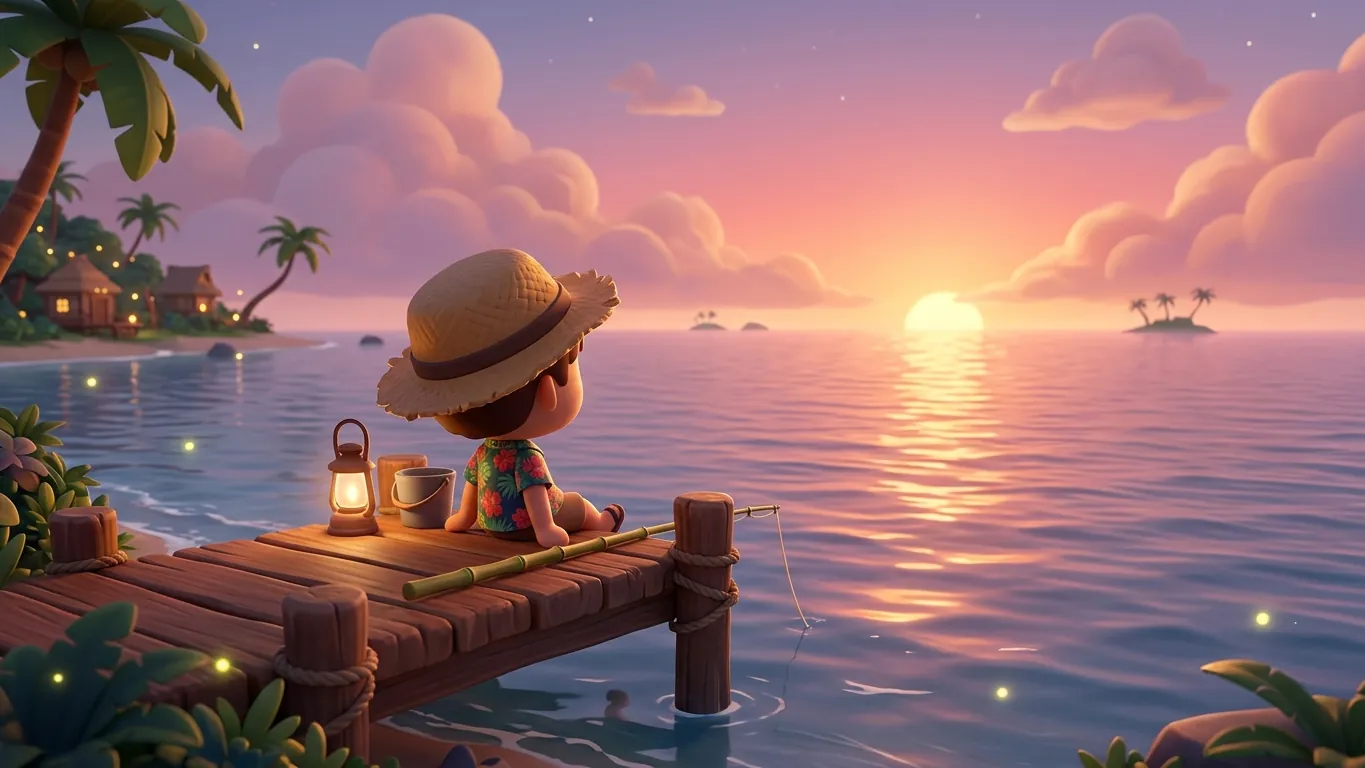 Why slow collecting makes island life better
An opinion piece on enjoying fishing and museum collecting at a gentle pace, noticing small island moments and keeping your own island diary.
Read more