Fish
Caught with a rod in rivers, ponds, clifftop waters and the sea, with many species tied to seasons and times of day.
Filling the museum is one of the most rewarding goals on the island. These ideas help you track progress, avoid frustration and enjoy every new exhibit.
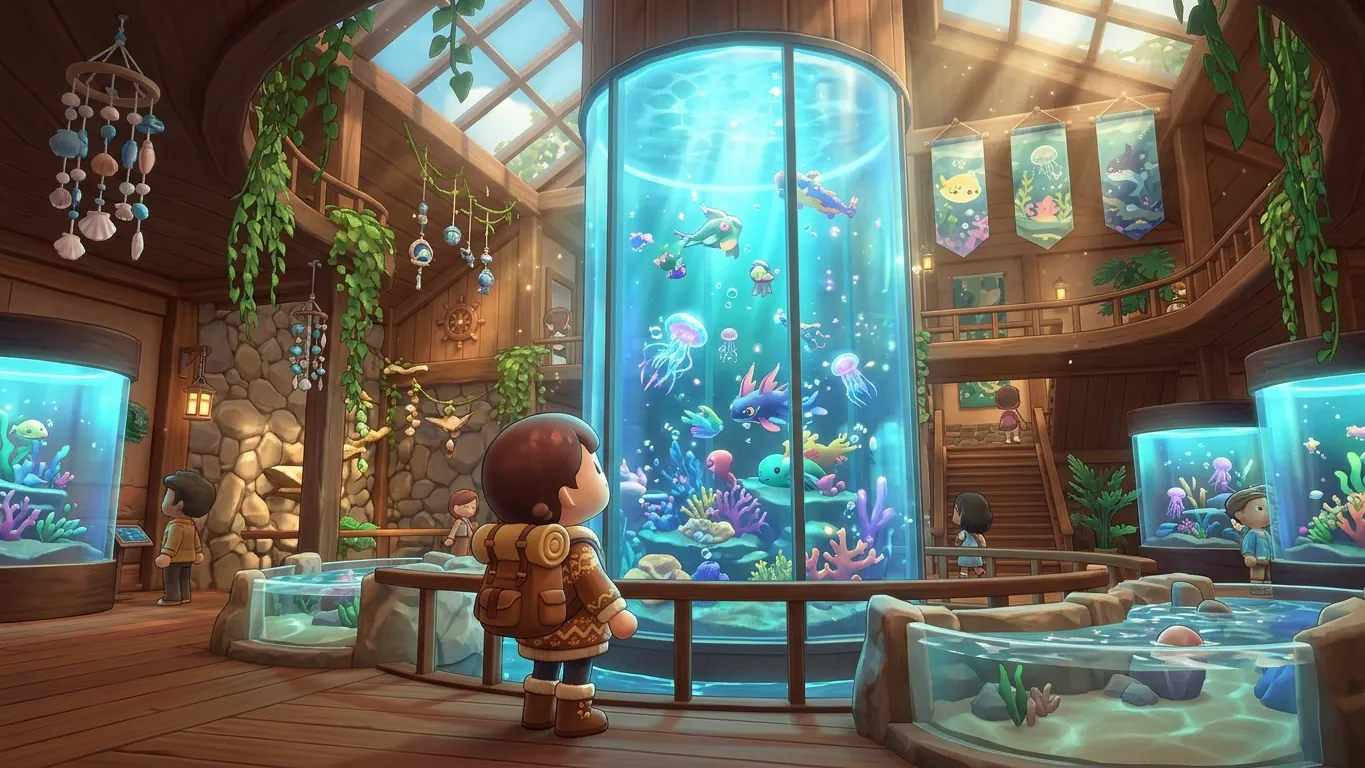
The museum in Animal Crossing: New Horizons starts as a modest tent and grows as you donate. Once the building opens, each species of fish, bug and sea creature you hand over gets its own place in a themed exhibit. Fossils and artworks have their own galleries as well.
You only need to donate one of each species. If you bring something that is already on display, the curator will let you know, and you can keep or sell it instead. Fossils are dug up as unknown finds and need to be assessed at the museum before you know what they are, which adds a nice moment of surprise.
The museum stays open around the clock, so you can wander through your collection whenever you like, including late at night after a fishing session.
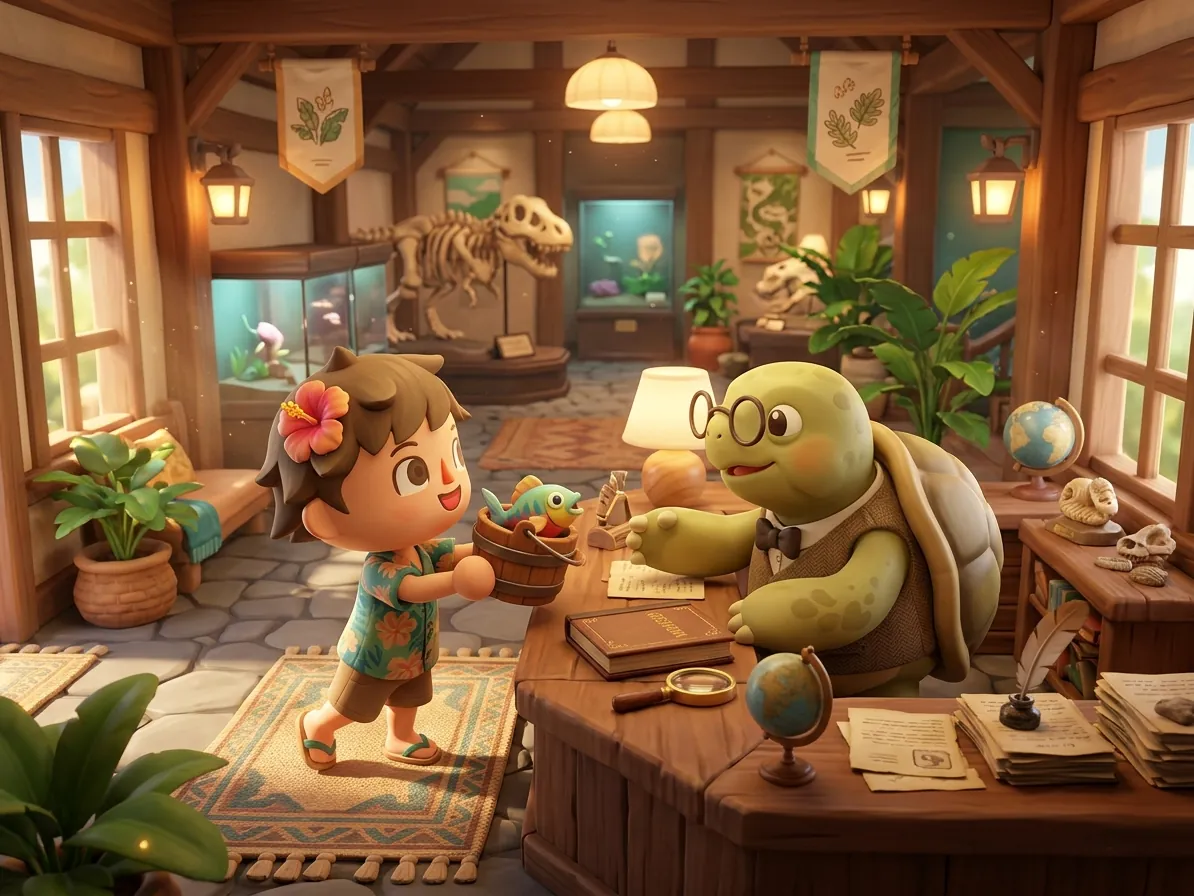
Each category has its own personality and its own way of being found.
Caught with a rod in rivers, ponds, clifftop waters and the sea, with many species tied to seasons and times of day.
Caught with a net on flowers, trees, rocks and shores. Warmer months tend to be especially busy.
Found by diving in the sea while wearing a wet suit. Look for trails of bubbles on the surface.
Dug up from marked spots in the ground with a shovel, then assessed at the museum before donating.
Bought from a visiting art dealer. Some pieces may not be genuine, so compare the details carefully before buying.
The simplest way to track fish, bugs and sea creatures is your in-game encyclopedia of critters. Species you have caught are recorded there along with their availability. If you make a habit of donating right after a first catch, the encyclopedia doubles as a rough guide to what the museum holds.
If you prefer something more personal, keep a small notebook beside you while you play. Jot down the species you have donated, the ones you are still looking for and the season they are likely to appear. A handwritten list can feel like a real collector's journal.
Visiting the museum itself is another option. Walking through the exhibits shows gaps clearly, and seeing an empty space can inspire your next fishing or bug catching trip.
Because so many species are seasonal, a complete museum naturally takes time. Some fish and bugs are only around for a few months each year, and some only at specific hours or in particular weather. That is not a flaw; it is a big part of what makes the island feel alive.
Try not to measure your progress against anyone else. Every island has its own rhythm, and players who log in for a few minutes a day can still build a wonderful collection over the seasons. If a species slips past this year, it will come back when its season returns.
Setting small goals helps. You might aim to catch one new species each week, or to fill a particular corner of the aquarium before the next season begins.
Donating is only half the fun. Once your fish are swimming in the aquarium and your bugs are settled among the plants, take time to walk through and look. Exhibits are arranged with a sense of habitat, and it can be lovely to see a river species you caught months ago swimming beside its neighbours.
When you donate, the curator often shares a short comment about the creature. These small notes can become a favourite part of collecting, so they are worth reading rather than skipping.
The museum is also a pleasant place to relax with friends who visit your island. Showing someone around your collection is a cheerful way to celebrate the seasons you have spent fishing, digging and exploring.
 Bait, patience and the search for elusive fish
Dig clams on the beach, craft fish bait and learn why some fish feel rare. Practical tips plus a calm mindset for long fishing sessions.
Read more
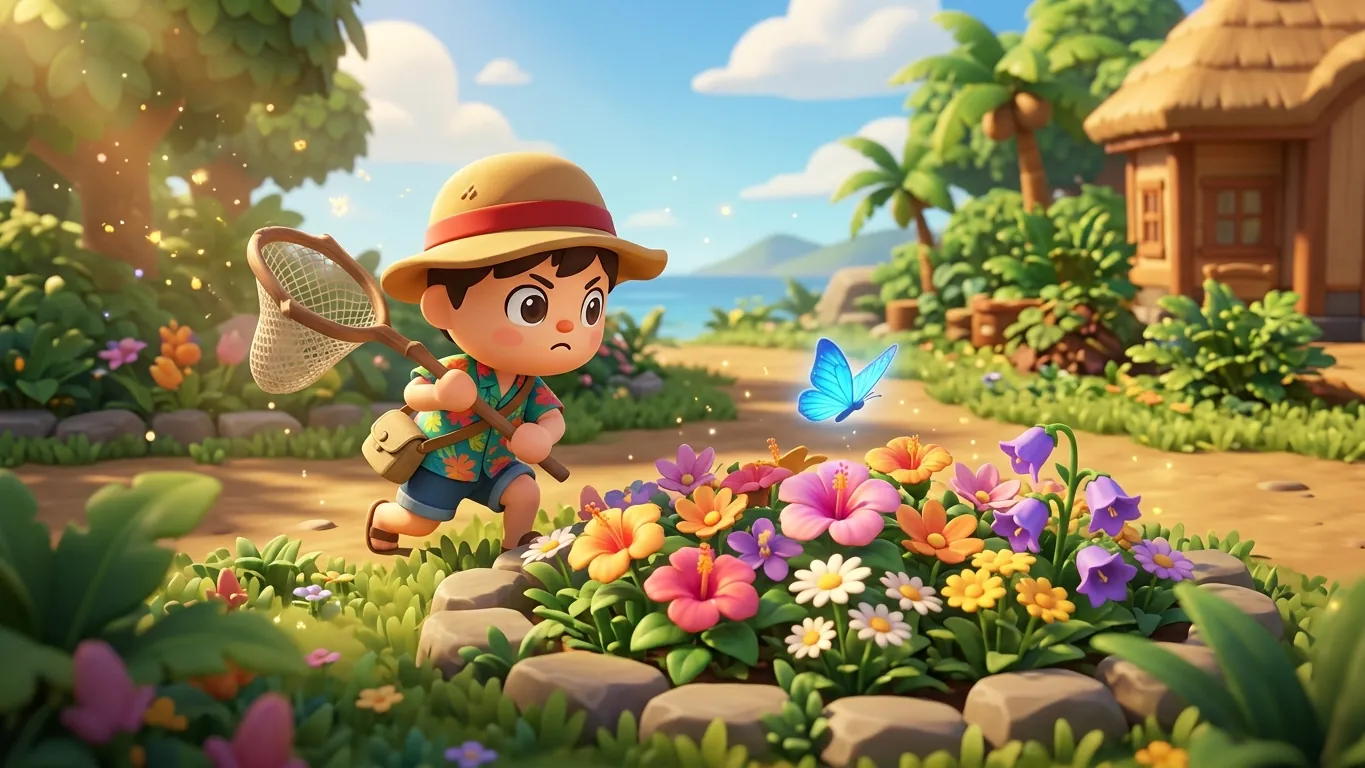 Bug catching and watching island nature up close
Find bugs on flowers, trees, rocks and shores, creep up with your net, handle stinging surprises and turn nature walks into an island diary.
Read more
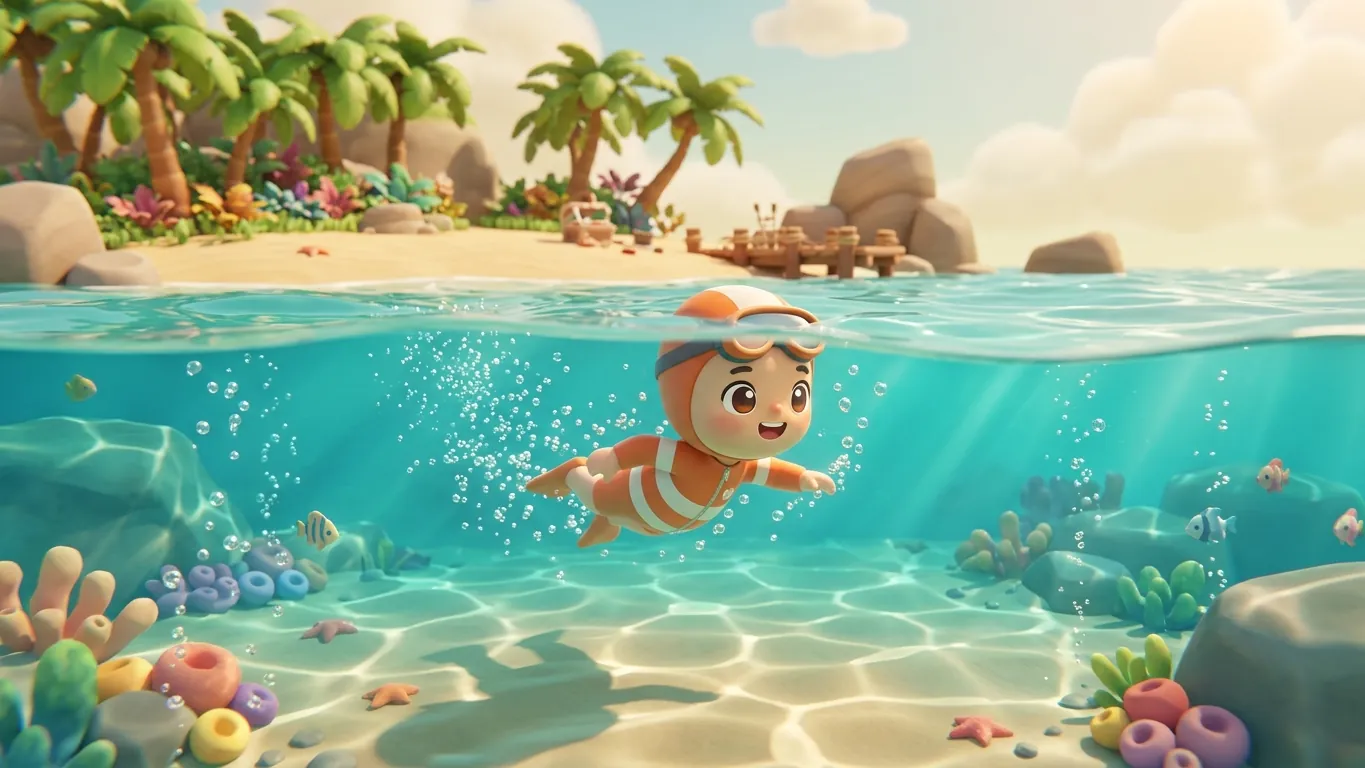 Diving for sea creatures around your island
Get a wet suit, spot bubbles on the surface, chase quick sea creatures and track their seasons with this calm guide to diving around your island.
Read more