Reading fish shadows and the waters they swim in
The size, shape and location of a shadow can tell you a lot about what might bite. Here is how to read those clues and plan a smarter fishing walk.
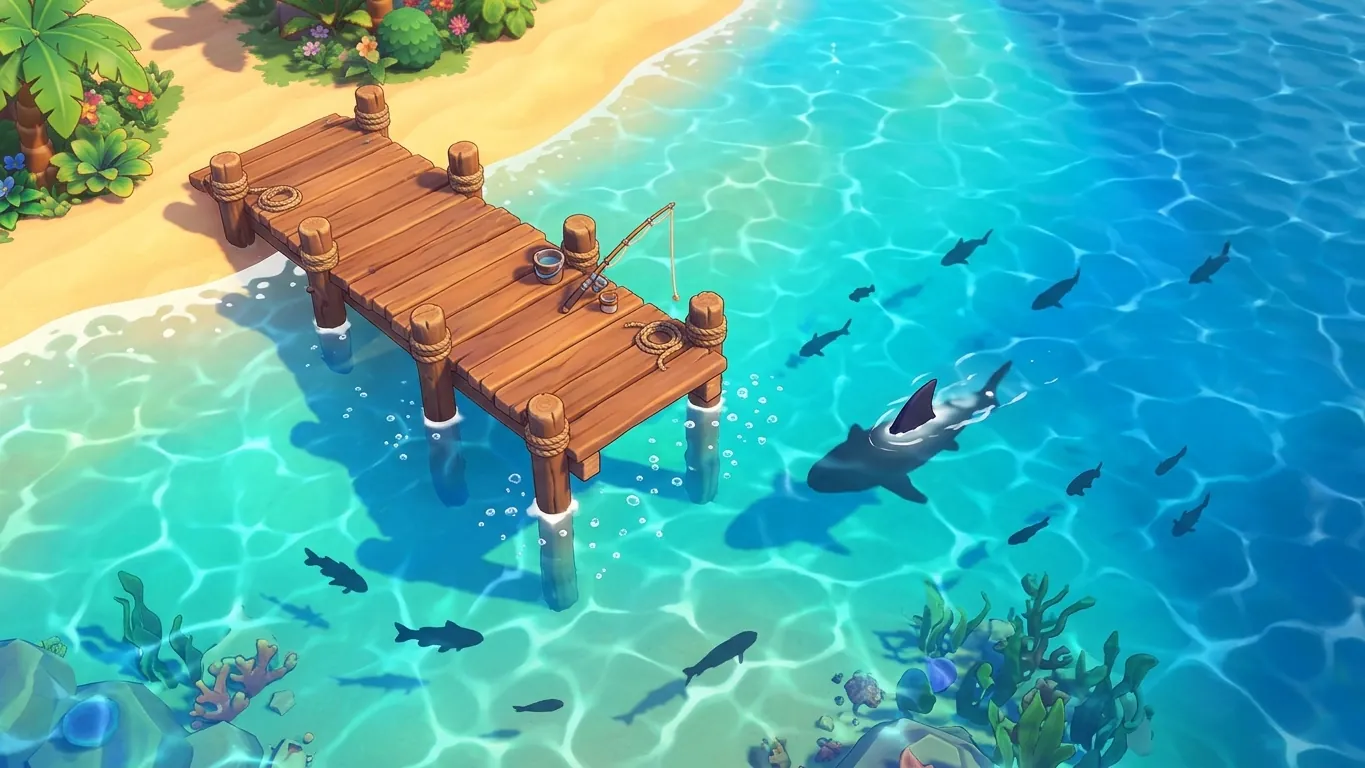
Why shadows are worth a second look
Every fish in Animal Crossing: New Horizons begins as a shadow under the water. At first they all look alike, but after a while you start noticing differences. Some are tiny and dart about, some are wide and slow, and a few carry a distinctive fin breaking the surface.
Learning to read shadows will not tell you exactly which species you have found, but it narrows the possibilities. That is helpful when you are looking for a specific fish for the museum, or when your pockets are nearly full and you want to save space for something new. It also makes fishing feel more like nature watching, which is a big part of the charm of island life.
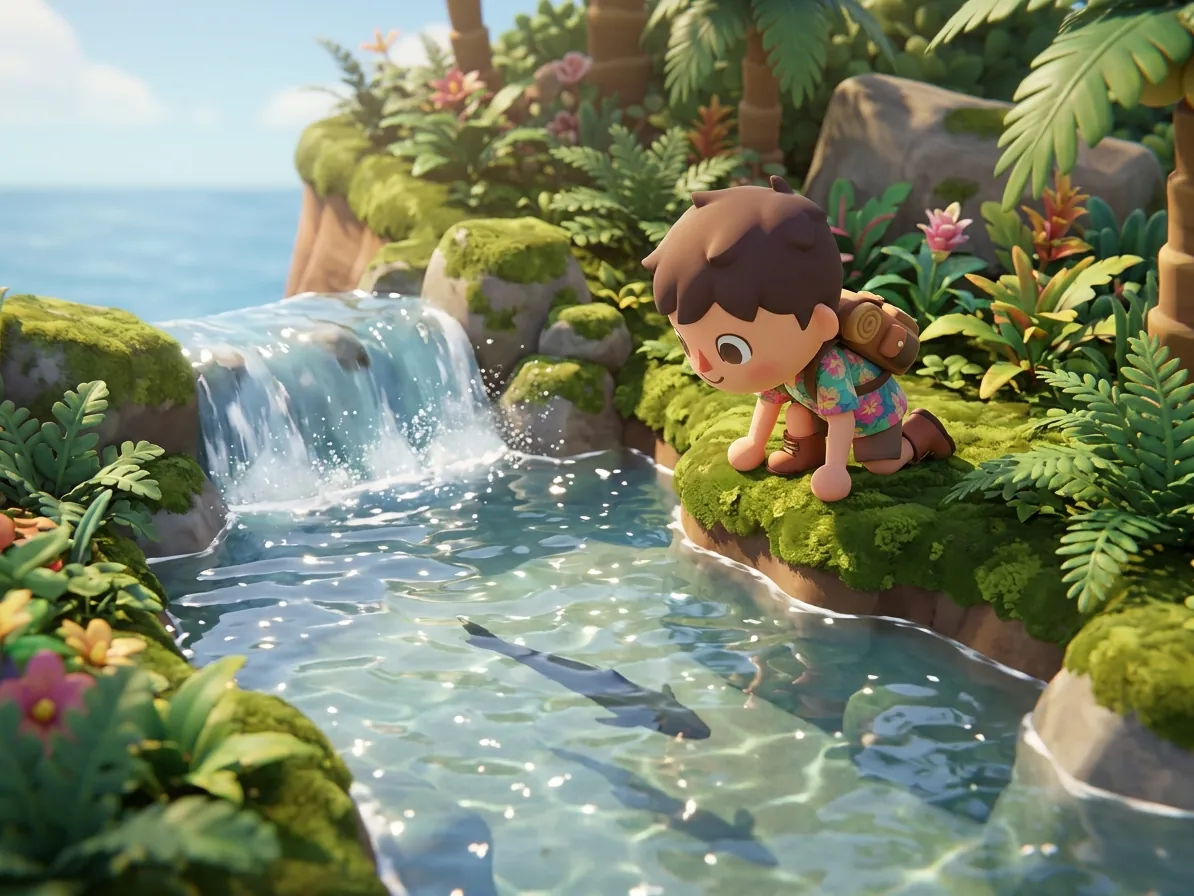
From tiny to huge: shadow sizes
Shadows come in a range of sizes, from very small to very large. Small shadows in rivers and ponds often belong to everyday freshwater fish, while medium shadows can be anything from a familiar catch to something you have been hoping to see.
Large and extra large shadows are where many collectors get excited, especially in the sea and in particular river spots. A bigger shadow does not always mean a rare fish, but it does mean the catch is worth a closer look in your encyclopedia once it is landed.
When comparing sizes, look at the shadow next to your character or nearby objects rather than judging it alone. Ripples and camera angles can make shadows look slightly different from moment to moment.
Fins, narrow shapes and other clues
Size is only one clue. A shadow with a fin showing above the water is a distinctive sight in the sea, and fin shadows tend to belong to some of the larger ocean species that collectors love to chase. If you spot one, it is usually worth a cast.
Long, narrow shadows are another special shape, often associated with eel-like fish. They can be easy to miss among the rounder shadows, so pay attention to the outline as the fish turns.
Also watch how a shadow moves. Some fish drift slowly, others swim quickly or change direction often. Movement alone will not identify a species, but combined with size and location it helps build a picture of what you might be about to reel in.
Rivers, ponds, clifftops and the sea
Where you fish matters just as much as what the shadow looks like. Rivers are home to many freshwater species, and the river mouth, where the river meets the sea, can hold fish you will not find further upstream. Ponds have their own residents, so they are a good place to look for species that rarely appear in moving water.
Rivers on the higher clifftop levels of your island are a separate habitat. Some fish only appear up there, which is a good reason to explore every level once you can climb. The sea surrounding your island, including the end of the pier, is where many large saltwater fish swim.
If you are chasing a particular species you have caught before, check its preferred water and hours in your encyclopedia before setting out. Fishing in the wrong kind of water can take a lot of casts without the result you want.
Planning a shadow-reading fishing walk
Once you know the clues, you can plan a walk that suits your goal. If you are simply collecting for fun, follow the river from the clifftops down to the river mouth, then wander along the beach and finish on the pier. You will pass several habitats in one relaxed loop.
If you are hunting something specific, stay in its habitat and skip shadows that clearly do not match. For example, if you want a large saltwater fish, you might leave small shadows alone and keep walking the coastline.
There is no wrong way to do it. Some players love efficient routes, while others enjoy stopping at every ripple. Both approaches fill the museum over time, and both make for lovely evenings on the island.
Related articles
 Fishing through the southern hemisphere seasons
How the southern hemisphere setting shapes fish, bug and sea creature seasons on your island, with planning tips for players in Australia.
Read more
 Planning your museum collection at a comfortable pace
Ideas for tracking donations, understanding the five museum collections and enjoying a relaxed path to a fuller museum on your island.
Read more
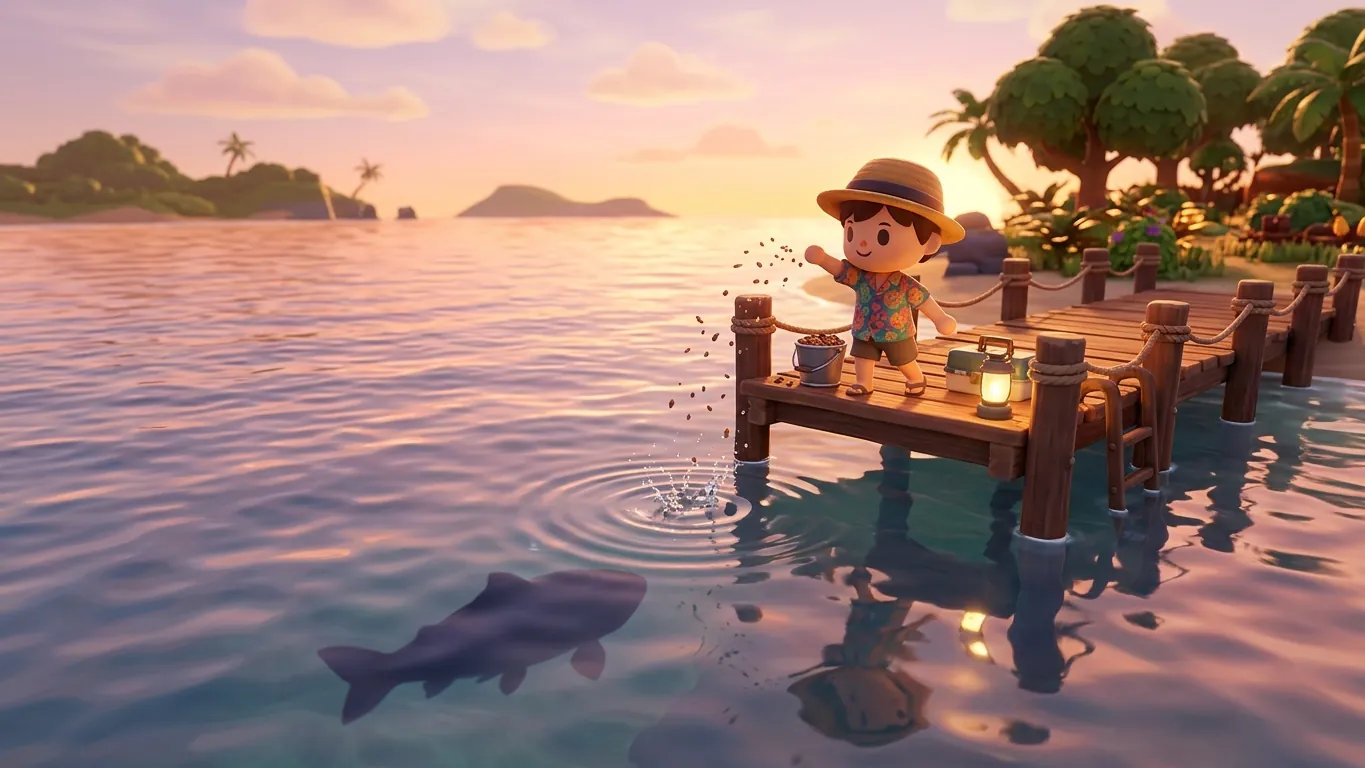 Bait, patience and the search for elusive fish
Dig clams on the beach, craft fish bait and learn why some fish feel rare. Practical tips plus a calm mindset for long fishing sessions.
Read more