Fishing through the southern hemisphere seasons
Island seasons follow the hemisphere you chose when you started. For many players in Australia that means southern seasons, and this guide explains how to make the most of them.
Why your hemisphere choice matters
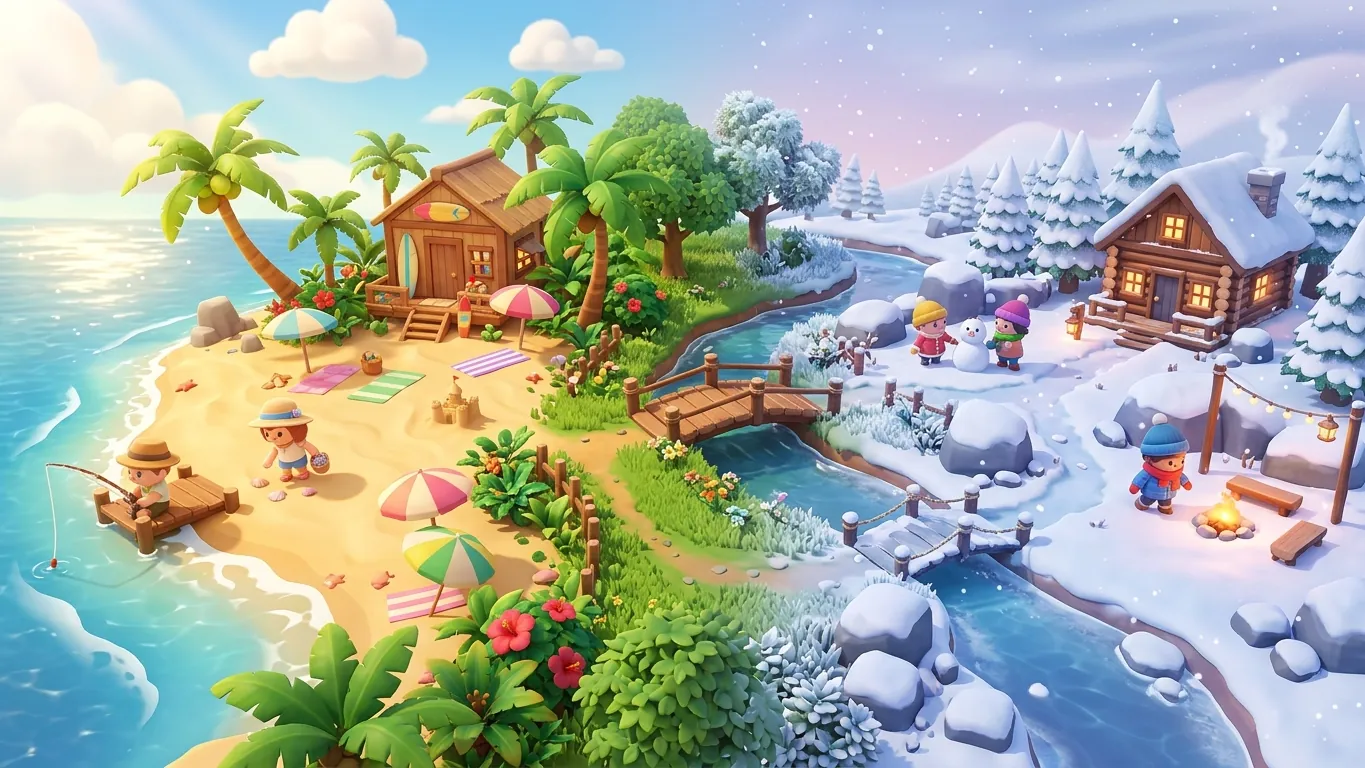
When you begin a new island in Animal Crossing: New Horizons, you choose between the northern and southern hemisphere. That choice quietly shapes almost everything about your nature calendar. It decides when the weather turns cold, when snow might appear and which fish and bugs are around in each month.
The game runs on your console's clock, so the island moves through the year alongside you. For players in Australia who picked the southern hemisphere, island seasons line up with life outside the window: warm summer days around December to February and cooler winter weather around June to August.
If you chose the northern hemisphere, everything is roughly six months offset. That is perfectly fine too; it simply means your island feels like a holiday on the other side of the world.
Seasons that match an Australian calendar
One of the lovely things about playing on a southern island from Australia is how natural it feels. When summer arrives, the island tends to fill with insect sounds and lively waters. As the months cool, some species disappear and others arrive, so the island never stays exactly the same.
Island scenery and seasonal moments also follow the hemisphere you picked. Trees change colour, flowers bloom and weather patterns shift through the year in step with your setting.
It can be fun to notice the parallels with real life. A hot summer afternoon outdoors might feel echoed by a long fishing session at your virtual river mouth, while a chilly winter evening pairs nicely with a quiet walk along a frosty island beach.
Using your in-game encyclopedia to plan
Your in-game encyclopedia of critters is the most reliable planning tool you have. Every fish, bug and sea creature you have caught shows its availability, including the months and the times of day it can appear. Because it reflects your own island settings, it already accounts for your hemisphere.
A useful habit is to check entries at the start of each month. Look for species that will soon stop appearing and think about whether you have already donated them. If not, that might be a good focus for the next few weeks.
For species you have not caught yet, information inside the game is limited, which is part of the sense of discovery. Some players enjoy keeping that mystery; others like to look up a seasonal list. Either way is a perfectly good way to play.
Times of day and weather
Months are only part of the picture. Many species appear only during certain hours, so a fish that never seems to show up may simply be active at night or early in the morning. If your evenings are your main play time, try a weekend morning session now and then to see a different side of the island.
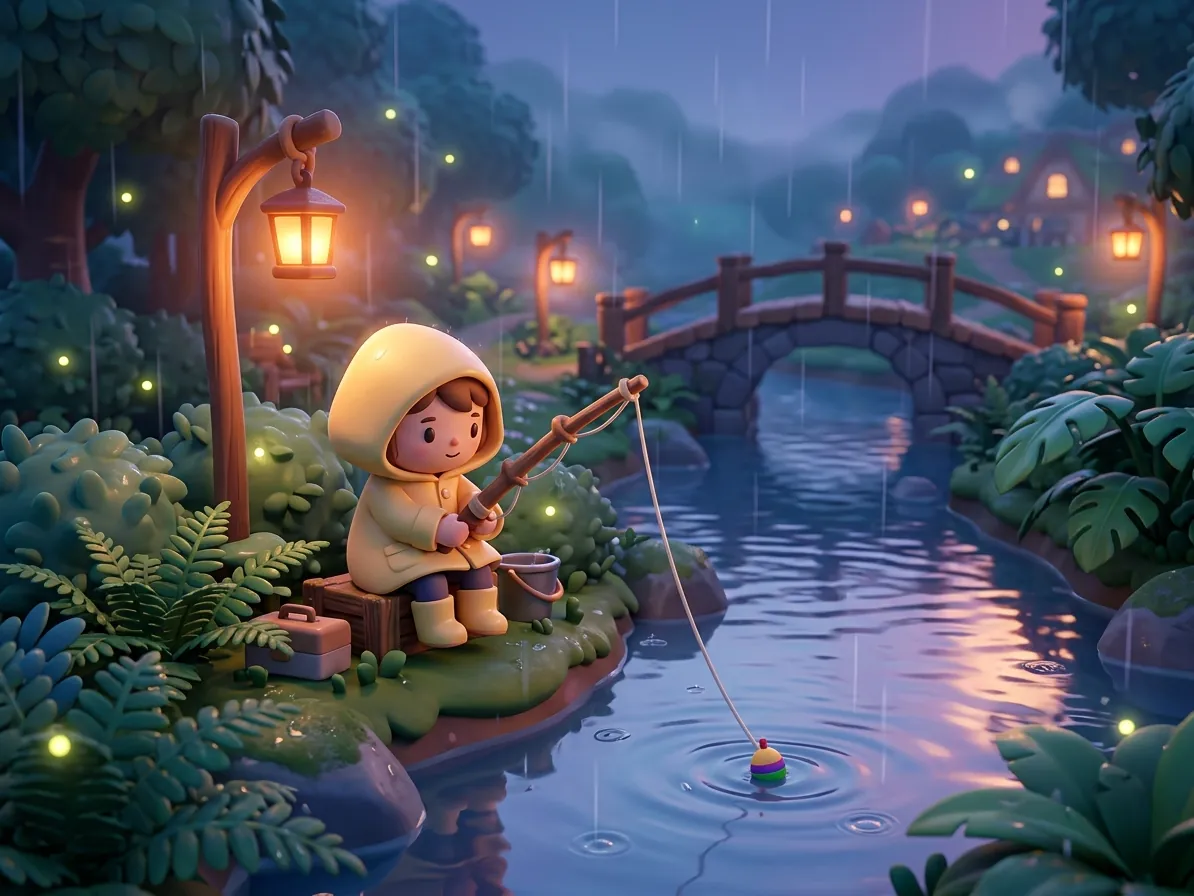
Weather plays a role as well. A few species are tied to rainy or snowy days, so a wet afternoon is a good reason to grab your rod and head out rather than staying indoors. Rain can also change which bugs are around, with some creatures preferring damp conditions.
These variations keep the calendar interesting. Even within one month, the island can offer something new depending on when you visit and what the sky is doing.
A gentle monthly routine for southern islanders
This short routine can help you keep track of seasonal species without turning island life into homework.
- 01
Check what is leaving
At the start of each month, browse your encyclopedia for species that will stop appearing soon and note any you have not donated.
- 02
Watch for new arrivals
As the season changes, keep an eye out for unfamiliar shadows in the water and new insects around flowers and trees.
- 03
Vary your play times
Try fishing and bug catching at a different time of day at least once a week to meet the island's early birds and night owls.
- 04
Enjoy the weather
Treat rainy and snowy days as invitations to explore the shoreline and riverbanks instead of a reason to stay inside.
Related articles
 Planning your museum collection at a comfortable pace
Ideas for tracking donations, understanding the five museum collections and enjoying a relaxed path to a fuller museum on your island.
Read more
 Bait, patience and the search for elusive fish
Dig clams on the beach, craft fish bait and learn why some fish feel rare. Practical tips plus a calm mindset for long fishing sessions.
Read more
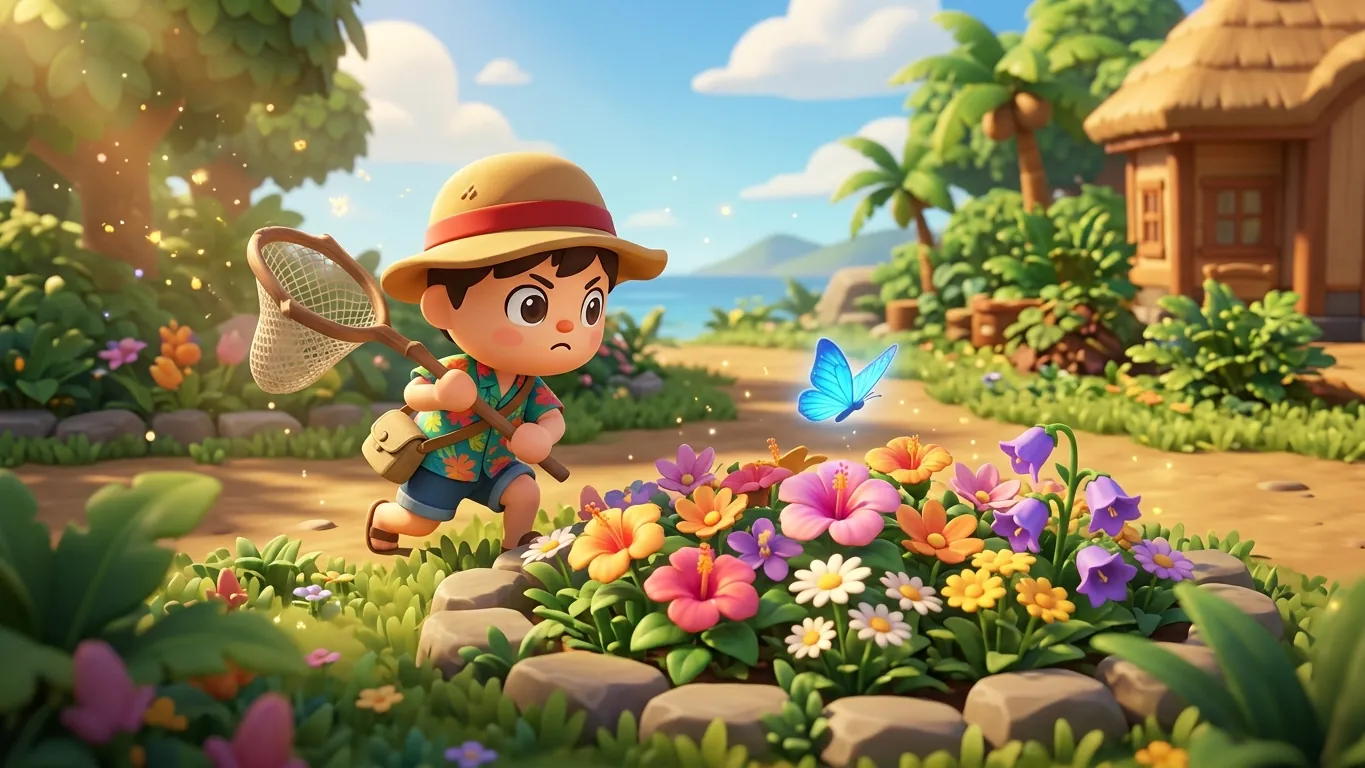 Bug catching and watching island nature up close
Find bugs on flowers, trees, rocks and shores, creep up with your net, handle stinging surprises and turn nature walks into an island diary.
Read more